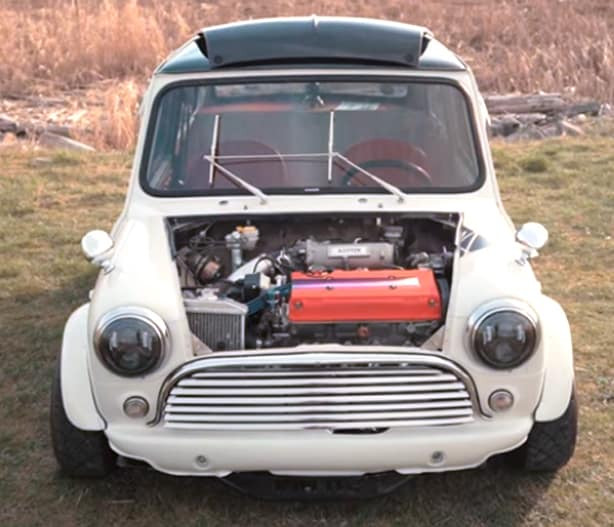
Here are the top FAQs about
VTEC Engine Swaps With Your Classic Mini Cooper
The original four-cylinder engines used in Classic Mini Coopers (1959-2000) weren't, to put it kindly, particularly powerful, so frequently many of today's Classic Mini owners are looking for ways to boost their Mini's horsepower and torque by installing a Honda VTEC engine.
Below are a collection of questions we've received over the years, asking about VTEC engine swaps, the pros and cons, the details of a swap, cost, alternative options, etc. If you're new to VTEC, these FAQ's are things you need to know.
Table of Contents
- Why Do a VTEC Swap?
- What is a VTEC Install?
- What's the Cost of a VTEC Swap?
- Are The Alternative Options?
- What Parts Are Needed For a VTEC Swap?
- Overseas Shipping Costs?
- Have a Question?
- All Things VTEC
Why do people choose to swap their Classic Mini engine with a Honda VTEC?
There are several reasons for choosing to swap out their Classic Mini engine with a Honda VTEC. Here are a few:
- More performance and power: The Honda VTEC engine is renowned for its outstanding performance and power output. A Classic Mini's power and performance can be greatly improved by installing a VTEC engine, making it faster and more thrilling to drive.
- Reliability: The Honda VTEC engine is also renowned for its dependability and toughness, which might be crucial for a vehicle that is regularly driven or used for performance-related purposes.
- Availability: VTEC engines are a well-liked option for engine swaps because they are widely accessible and reasonably priced.
- Ease of installation: Installing a VTEC engine is frequently simpler and easier than trying to enhance or modify the stock classic Mini engine, which may call for more elaborate customization and fabrication.
- Possibilities for customization: A variety of aftermarket components and tuning options are available for the Honda VTEC engine, enabling further customization and performance enhancements.
It's worth noting that engine swaps can be complex and require careful planning and execution to ensure proper fitment and functionality. It's important to do thorough research and work with a reputable mechanic or engine builder to ensure a successful swap.
What does it mean to install a VTEC engine in a vintage Mini Cooper?
In order to install a Honda VTEC engine (here's the installation manual for MTD Installation Manual for Classic Minis 1959-2001) in a vintage Mini Cooper, the existing engine must be removed. VTEC, or "Variable Valve Timing and Lift Electronic Control," is a Honda-developed technology that enhances engine efficiency and performance.
It can be a labor-intensive operationto install a VTEC engine in a vintage Mini Cooper, because it requires modifying the engine compartment, transmission, suspension, and other systems of the vehicle. It also involves a fair amount of custom work to make the Honda engine fit properly in the Mini's small engine compartment.
A VTEC engine swap, however, may be a satisfying undertaking that turns the vintage Mini Cooper into a high-performance vehicle, if you have the necessary knowledge and equipment.
How much does it cost for a VTEC engine swap into a Classic Mini?
The installation of a VTEC engine in a vintage Mini Cooper is a difficult and pricey undertaking that needs specialist materials and manpower. The cost can differ depending on the condition of the car, the type and size of the VTEC being installed, and the quality of the installation. But a ballpark estimation for a VTEC engine swap for a classic Mini ranges between $10,000 and $20,000.
Are there alternatives to swapping out a VTEC out on my Mini Cooper engine?
There are a number of alternatives for improving the engine of a classic Mini without doing a VTEC engine swap. Here are a few options:
- 1) Rebuild the original engine:
- To increase performance and dependability without replacing the engine, the original engine can be rebuilt with high-performance components. The camshaft, cylinder head, and carburetor or fuel injection system may all need to be upgraded.
- Our suggestions range from our Classic Mini 1275cc High Performance Engine that is a re-bored 1275cc motor with high-compression (9.75:1) performance pistons, aluminum cylinder head, and a fast road camshaft (276 degrees duration) for the ultimate in performance with great reliability, and is ready to install to our 1380cc High Performance Classic Mini Rebuilt Engine that has a 5-speed configuration that will out-perform the fire-breathing original Cooper S but still provide the excitement and fun to drive feeling of a Classic Mini.
-
-
 1380HP_ENG_5SPD$15,296.98
 -
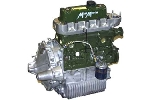 1275HP_ENGINE$10,625.95
-
- 2) Supercharger or turbocharger installation:
- By adding a supercharger or turbocharger to the original Classic Mini engine, your Mini's performance can be improved tremendously.
- 3) Electric conversion:
- A few enthusiasts have electrified their vintage Mini Coopers. This solution can produce a speedy, effective, and ecologically friendly car, but it also necessitates major adjustments.
- 4) Brake and suspension upgrades:
- Brake and suspension upgrades can greatly enhance the handling and stopping power of the vehicle, making it more enjoyable to drive even with the stock engine.
In the end, the decision of which upgrade option to pursue depends on the owner's particular preferences for driving style and individuality, as well as his or her aims and budget.
What kind of parts will I need for a VTEC swap?
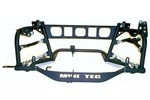
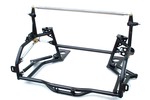
To fit the VTEC engine into the constrained space of a Classic Mini, numerous modifications and adjustments are necessary. You'll need specific conversion parts, a compatible radiator, exhaust system, subframe, mounts, axles, wiring harness, ECU, engine, transmission, and more. Additionally, you will require the services of a qualified mechanic with knowledge of this type of project.
Do you have VTEC kits for sale?
We sell all the parts you need for your VTEC conversion.
What if I have a right-hand drive (RHD) Classic Mini?
We've got you covered! All you need to convert the VTEC engine to link to RHD, is here: Classic Mini Right Hand Drive Steering Modification For VTEC Conversion Kit.
How much is it to ship a VTEC engine overseas?
The cost of shipping a VTEC engine overseas can vary depending on several factors, such as the weight and dimensions of the engine, the destination country, the shipping method, and any applicable taxes or fees.
To get an accurate estimate, you should contact a shipping company or freight forwarder that specializes in international shipping. They can provide you with a quote based on the specifics of your shipment...
...OR - you can drop us a line and gives us your location, etc. or call us an we can provide a ballpark figure.
It's also important to note that shipping an engine overseas may require additional paperwork and customs procedures, so be sure to research the import regulations of the destination country before shipping.
Have a question of your own?
We love getting questions about VTEC kits and engine swapping so, email us with any questions you might have and we'll get back to you ASAP!
All Things VTEC
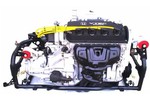
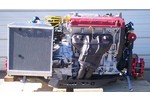
Here are some popular parts we offer for VTEC conversions:
VTEC Conversion Kits
-
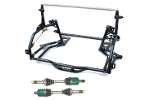 MT510000$3,044.98
 -
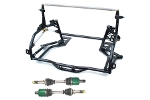 MT513000$4,280.98
 -
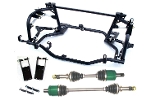 MT520000$3,044.98
 -
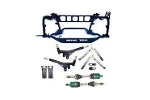 MT530000$3,044.98
 -
 MT540000$3,044.98
 -
 MTB-AA$2,884.98
VTEC Engines
-
 MT522100$12,305.98
 -
 MT532000$14,445.98
 -
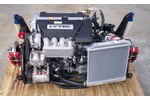 MTK20A3-2$13,910.98
VTEC Conversion Packages
-
MT510000$3,044.98
-
MT513000$4,280.98
-
MT520000$3,044.98
-
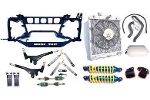 MT522000$4,280.98
 -
MT530000$3,044.98
-
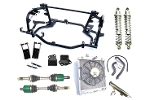 MT531000$4,280.98
 -
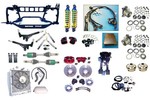 MTB2-1$8,453.98
 -
MTD-1$7,800.98
-
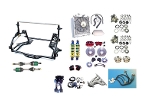 MTK1$7,597.98
Radiators and Subframes
-
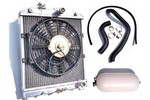 MT511400$482.98
 -
MT521030$482.98
-
MT530600$482.98
-
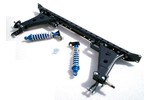 MT360290$1,600.98
 -
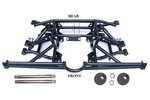 MT361000$3,044.98
All VTEC Conversion Parts
Everything you need for your VTEC conversion can be found on our VTEC Parts Page.
[VTEC]